What Does an Ecommerce Graphic Designer Make?
| Area | Typical designs |
|---|---|
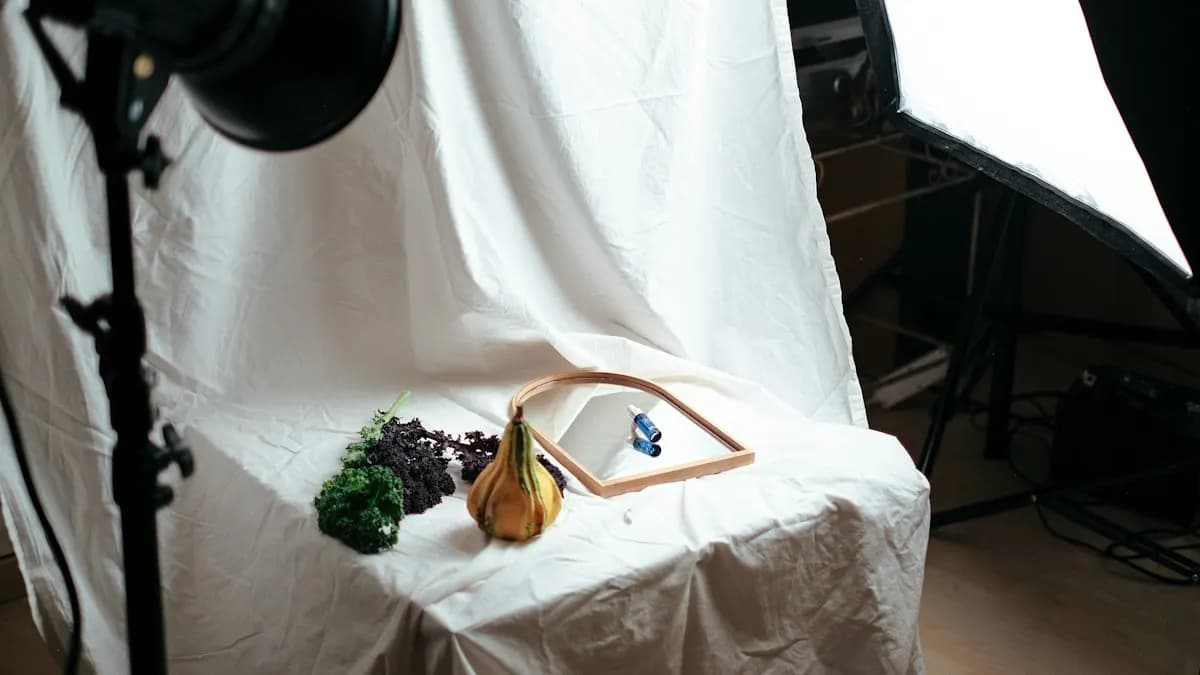
| Product images | Clean main images, cut-outs, colour variants, lifestyle shots |
| Listing graphics | Feature infographics, size charts, comparison images (as extra images) |
| Website and app | Home page banners, category banners, offer strips, email headers |
| Ads and social | Static and video ad creatives, carousels, Reels covers, festival posts |
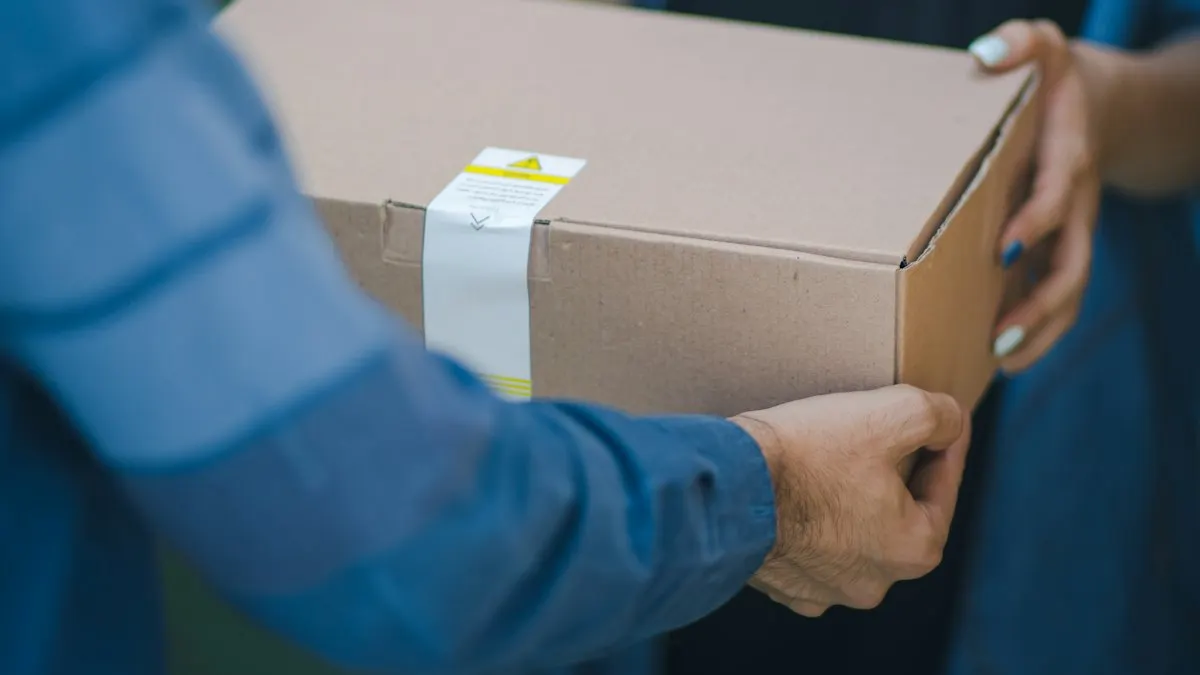
| Packaging | Boxes, labels, thank-you cards and inserts |
Small shop owners who design for themselves can read graphic design for small business owners. This article is about designers who do this work as a job.
Product Image Rules You Must Know
Marketplaces and shopping platforms reject images that break their rules. Google Merchant Center, which feeds products into Google Shopping, publishes clear ones[1]:
- Size: at least 500 x 500 pixels for all products from 31 January 2027; Google recommends about 1500 x 1500 pixels or more.
- No promotional overlays on the main image: no "Buy now", prices, "Free shipping", "Best", watermarks or added logos.
- No borders and no placeholder or generic images.
- One image per variant: each colour or finish gets its own image.
- AI images: images made with generative AI must keep the metadata that says so.
Each marketplace has its own rules too, so read the seller guide of every platform your client uses. Offers and prices go on banners and ads, not on the main product image.
Worked Example: A Festive Sale Kit for a Kurta Brand
Say a small Delhi kurta brand that sells on its own website and two marketplaces wants a festive sale (a hypothetical example). A designer's week could look like this:
- Day 1: clean main images for 12 kurtas, one per colour, on a plain background.
- Day 2: a sale key visual and the home page banner in desktop and mobile sizes.
- Day 3: marketplace banners in each platform's sizes and a size-chart image.
- Day 4: six ad creatives (square, 4:5 and 9:16) and three Instagram posts.
- Day 5: a festive thank-you card for the parcels and final checks on every size.
Clean product images need good photos. Our guide on graphic design for photographers explains the editing side.
Which Skills and Software Do Ecommerce Brands Ask For?
Internshala's Delhi graphic design listings on 5 November 2026 included these posts[2]:
- Junior Graphic Designer at a fashion retail brand (hybrid, Delhi and other cities): static and video ads with Photoshop, Illustrator, Premiere Pro, Canva and UI design; 1 year; ₹2.4 to 3.6 lakh a year.
- Graphic Designer and Social Media Creative Specialist for D2C clients (Noida, hybrid): Photoshop, Illustrator, image editing and Canva; 1 year; ₹3 to 4.8 lakh a year.
Both ask for Photoshop and Illustrator plus simple video. Typical graphic designer pay as you grow:
| Stage | Graphic designer pay per month (Delhi NCR) |
|---|---|
| Fresher | ₹10,000 to ₹12,000 |
| After 1 year | ₹12,000 to ₹15,000 |
| After 3 years | ₹30,000 to ₹35,000 |
Want to know what a full course covers before you start? Read graphic design course syllabus.
Build an Ecommerce Design Portfolio
- Clean main images and variant images for one made-up product range.
- A sale campaign set: website banner, marketplace banners and three ad sizes.
- A packaging box and thank-you card for the same brand.
Show the before and after of each product image. Ecommerce clients hire for clean, fast and correct work.
AI and Agentic AI in Ecommerce Design Today
Ecommerce designers use Photoshop's Generative Fill to clean or extend product backgrounds and AI image tools to draft lifestyle scenes. Our Photoshop Generative Fill guide shows how. Adobe's AI Assistant, in public beta in Photoshop, Illustrator and InDesign since June 2026, can carry out several editing steps from one typed request[3].
What the human still decides: whether the product colour and shape are true, whether the image follows each platform's rules and whether the AI metadata is kept where Google requires it. A product image that does not match the real item leads to returns. CABA's courses now teach AI and agentic AI workflows inside the curriculum, with a human check before anything goes live.
Learn Product, Banner and Ad Design Together
Our graphic design course in Delhi covers Photoshop, Illustrator, InDesign, Affinity by Canva and AI tools, with branding, social media and packaging projects you can turn into an ecommerce portfolio. The video on this page, from CABA's YouTube channel, gives a look at the course.
The course comes with a 100% Job Guarantee; read the job guarantee terms first. Student work is on the graphic design course page.
Frequently Asked Questions
What is graphic design for ecommerce?
It is designing what an online store needs to sell: product images, listing graphics, website banners, ad creatives, social posts and packaging.
What size should an ecommerce product image be?
Google Merchant Center asks for at least 500 x 500 pixels from 31 January 2027 and recommends about 1500 x 1500 pixels or more. Each marketplace also has its own rules.
Can I put text or a discount on the main product image?
Not on Google. Its rules reject main images with promotional text, prices, watermarks or added logos. Put offers on banners and ads instead.
Which software do ecommerce graphic designers use?
Photoshop and Illustrator are the core tools, with Canva for quick social posts and Premiere Pro for simple video ads.
Do ecommerce companies hire fresher graphic designers?
Yes. Many start freshers on product image editing and banners, then move them to ads and campaigns as their portfolio grows.
References
- Image link [image_link] (viewed 5 November 2026)- Google Merchant Center Help
- Graphic Design Jobs in Delhi (listings viewed 5 November 2026)- Internshala
- Adobe Unveils Major Expansion of Creative Agent Across Firefly and Creative Cloud Apps (18 June 2026)- Adobe Newsroom