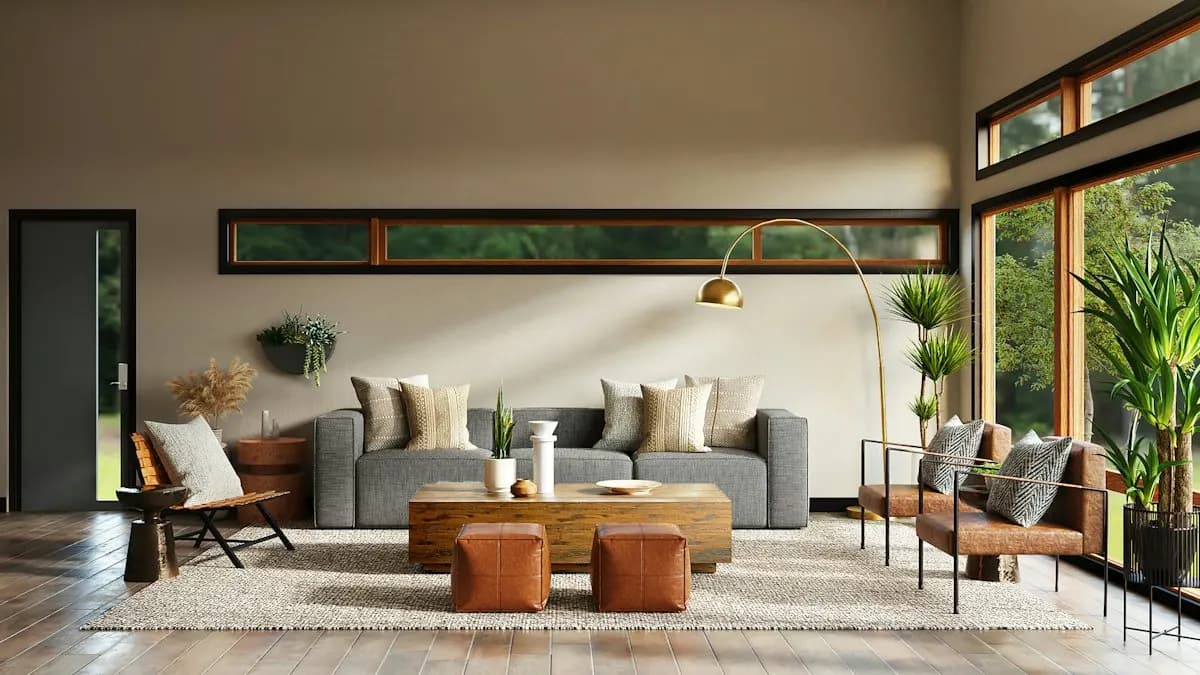
Why Does an Interior Designer Need Graphic Design Skills?
An interior project is sold long before the first wall is painted. The client sees a mood board, a few views of the room, a colour scheme and a material list. If those look confusing, the client hesitates. If they look clear and beautiful, the client trusts you.
That is why graphic design and interior design work so well together. Interior design decides the space. Graphic design decides how that space is shown, explained and sold. A good idea shown in an ordinary presentation often loses to an average idea shown beautifully.
Which Graphic Design Skills Help Interior Designers Most?
- 1Mood boards
Arrange photos, fabric swatches, colours and textures on one clean page so the client feels the room instantly.
- 2Presentation layouts
Multi-page decks with a grid, consistent margins and clear headings. This is page layout work, the same skill used for brochures and magazines.
- 3Photo editing
Correct colour, light and perspective in site photos and renders. Remove clutter from before photos so the after looks honest and sharp.
- 4Typography
Pick one or two fonts and use them the same way on every page. Messy fonts make an expensive project look cheap.
- 5Colour theory
Build palettes that match the room and the brand. Show colour codes so contractors and painters get the exact shade.
- 6Personal branding
Logo, visiting card, letterhead, quotation format and website look. Clients judge your price by your brand.
- 7Motion and short video
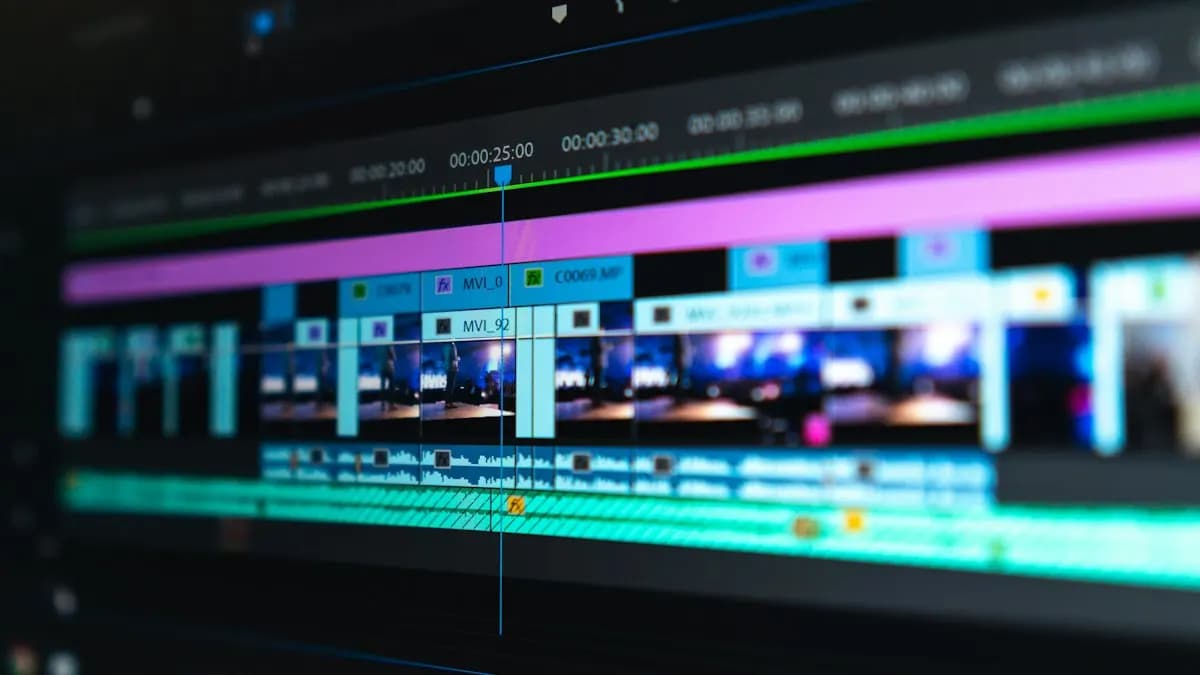
Before-and-after Reels, simple walkthroughs and animated floor plans get far more reach than still photos.
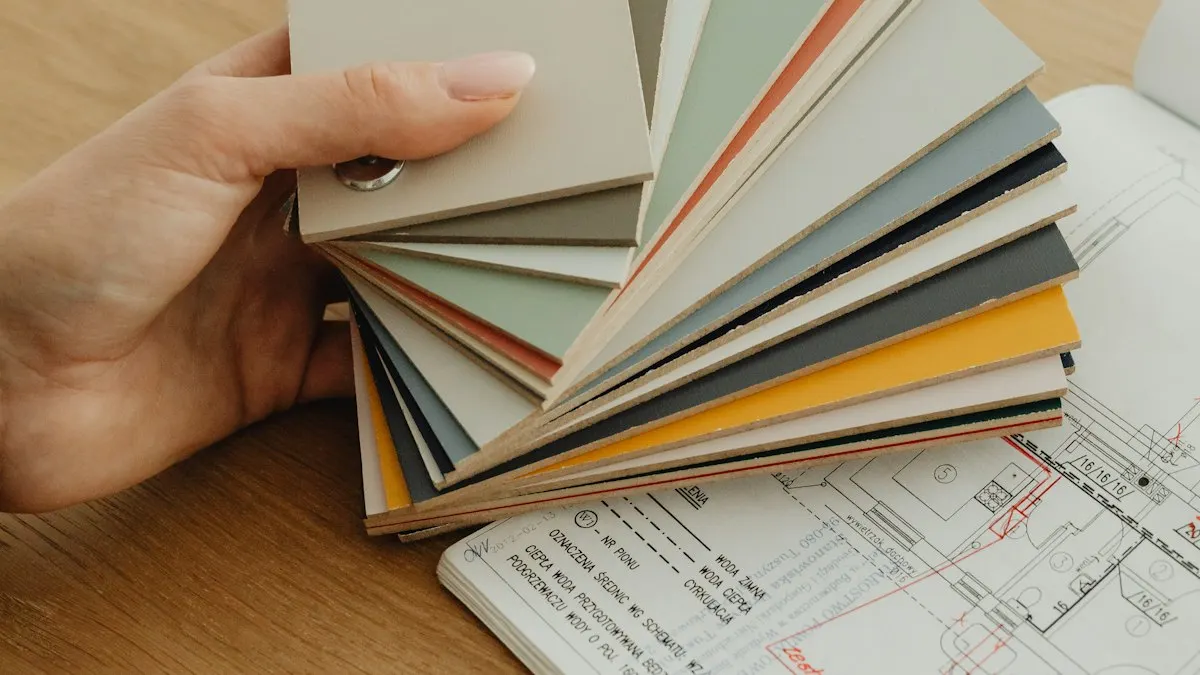
What Software Do Interior Designers Use for Graphics?
Interior designers usually already know a planning or 3D tool. The gap is the graphics software that turns those drawings into a finished presentation.
| Task | Software most studios use | What it adds |
|---|---|---|
| Mood boards and photo editing | Photoshop | Clean cut-outs, colour correction, retouched renders |
| Logos, icons and labelled plans | Illustrator | Sharp vector graphics that print at any size |
| Client decks and portfolios | InDesign | Multi-page layouts with consistent grids and fonts |
| Walkthroughs and Reels | After Effects and Premiere Pro | Animated plans, text and before-after videos |
Adobe's own guides show how Photoshop handles layers and colour work[1] and how InDesign builds multi-page documents with master pages[2]. Learning these properly saves hours on every project, because templates can be reused for each new client.
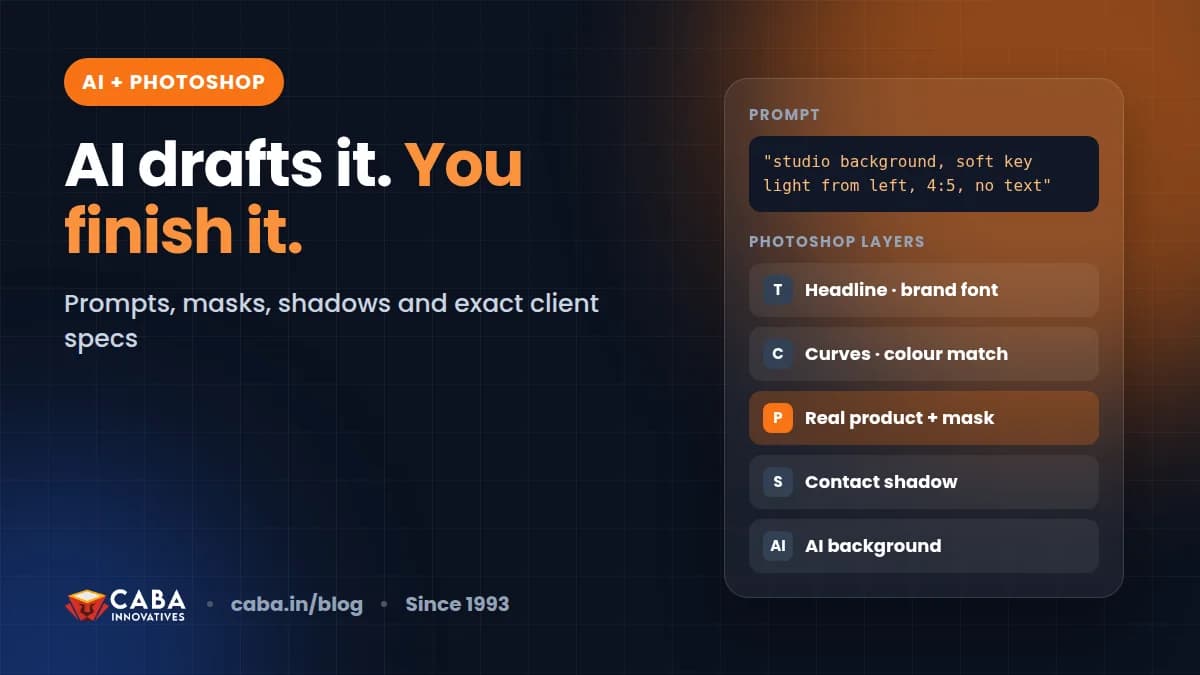
Want to use AI for quick concept images? Learn the finishing part first. Our guide on AI Photoshop prompts and finishing steps shows why the final polish still needs real Photoshop skills.
How Should an Interior Design Client Presentation Flow?
- Cover page: project name, client name, date and your logo.
- The brief: 3 to 4 lines on what the client asked for.
- Mood board: one page per room, photos plus swatches.
- Colour and material palette: swatches with codes and finishes.
- Plans and views: labelled layouts and rendered views with short captions.
- Budget and timeline: a clean table, not a pasted spreadsheet.
- Next steps: what the client approves and what happens after.
Keep the same fonts, margins and colours on every page. Consistency makes a deck feel professional even when the content is simple.
Can an Interior Designer Switch to Graphic Design as a Career?
Many do. Interior designers already understand colour, space, balance and client handling. Those are design basics, so the switch is faster than starting from zero. Graphic design jobs include branding, social media design, packaging, print and presentation design.
Freshers in graphic design usually start at ₹10,000 to ₹12,000 a month and reach ₹30,000 to ₹35,000 by about three years. Full details are in our graphic designer salary in India guide. For higher pay, motion graphics is the stronger route: trained freshers can start at up to ₹25,000 a month. See the motion graphics designer salary ladder.
Changing fields later in life? Age is not a barrier in design work. Read our guide to a career change at 30, 40 or 50.
Where Can You Learn Graphic Design for Interior Work?
Note: CABA Innovatives does not run an interior design course. What we offer is the graphics side: design, branding and layout in our graphic design course in Delhi plus animation and video in the motion graphics course.
If you are just out of 12th and still choosing a path, the BSc Multimedia degree covers design, motion and video together with a UGC-recognised degree.
Frequently Asked Questions
Is graphic design useful for interior designers?
Yes. Mood boards, client presentations, portfolios, branding and social media posts are all graphic design work. Better visuals help clients understand and approve ideas faster.
What is the difference between interior design and graphic design?
Interior design plans physical spaces: layout, furniture, lighting and materials. Graphic design creates visual communication: layouts, logos, images and presentations. Interior designers use graphic design to present their spaces.
Which software should an interior designer learn for presentations?
Photoshop for mood boards and photo editing, Illustrator for logos and labelled plans and InDesign for multi-page decks. After Effects is useful for walkthrough videos and Reels.
Can I become a graphic designer after interior design?
Yes. Interior designers already know colour, balance and client handling, so learning graphic design software and layout is a natural next step. Motion graphics offers even higher starting pay.
Does CABA offer an interior design course?
No. CABA Innovatives teaches graphic design, motion graphics, video editing, digital marketing and the BSc Multimedia degree. Interior designers can join these to learn the graphics and presentation side.
References
- Adobe Photoshop User Guide- Adobe
- Adobe InDesign User Guide- Adobe